
Small discoveries.
A different perspective.
The history behind a street. A local tradition. A detail that changes how you see a place. Explore the sourced facts collected along the journey.
Discoveries from the road.
21 discoveries from the road.
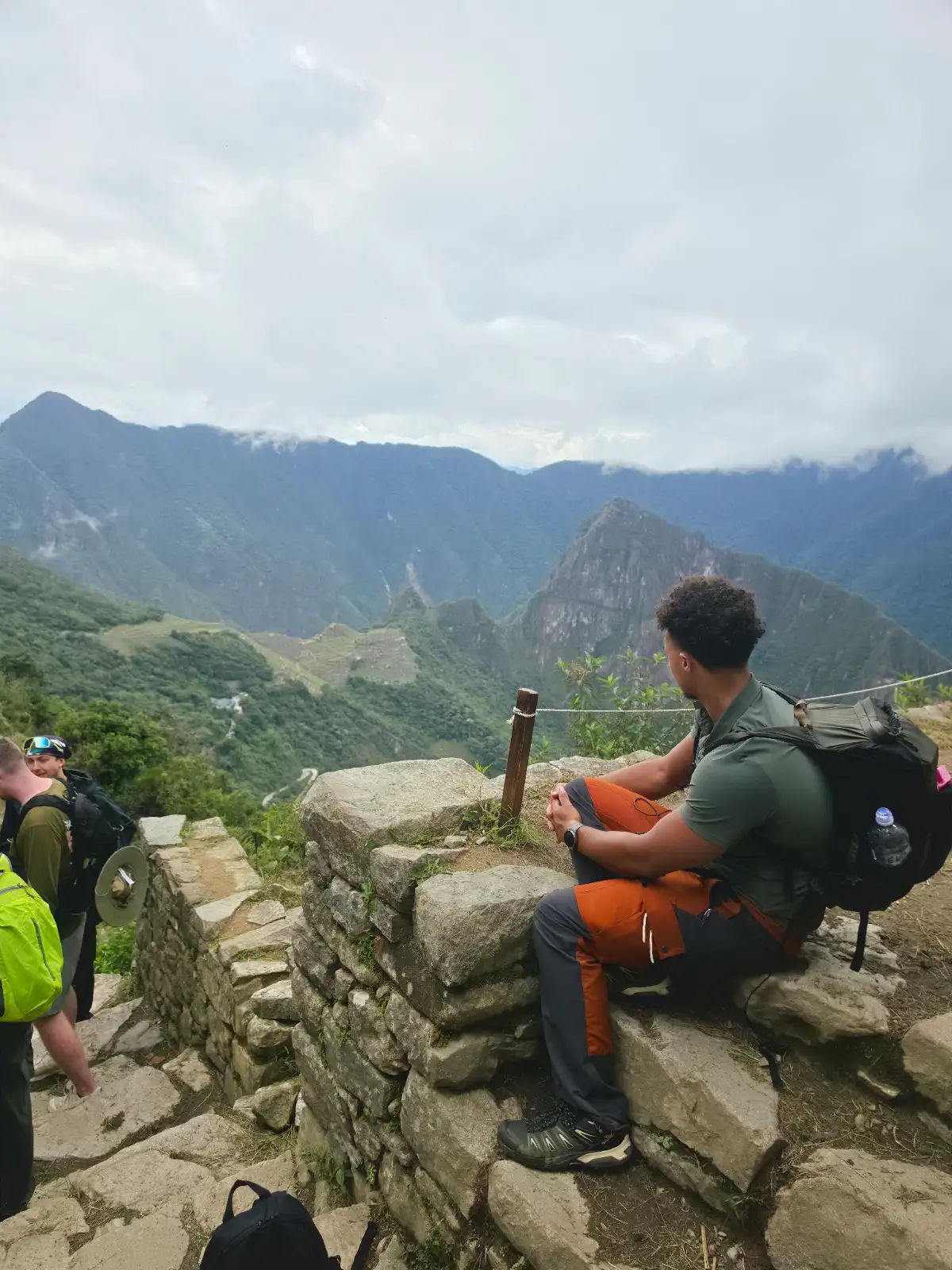
A grass-rope bridge is renewed by its communities.
Q’eswachaka, in the Cusco region, shows how engineering knowledge and community traditions can remain living heritage.
Read fact →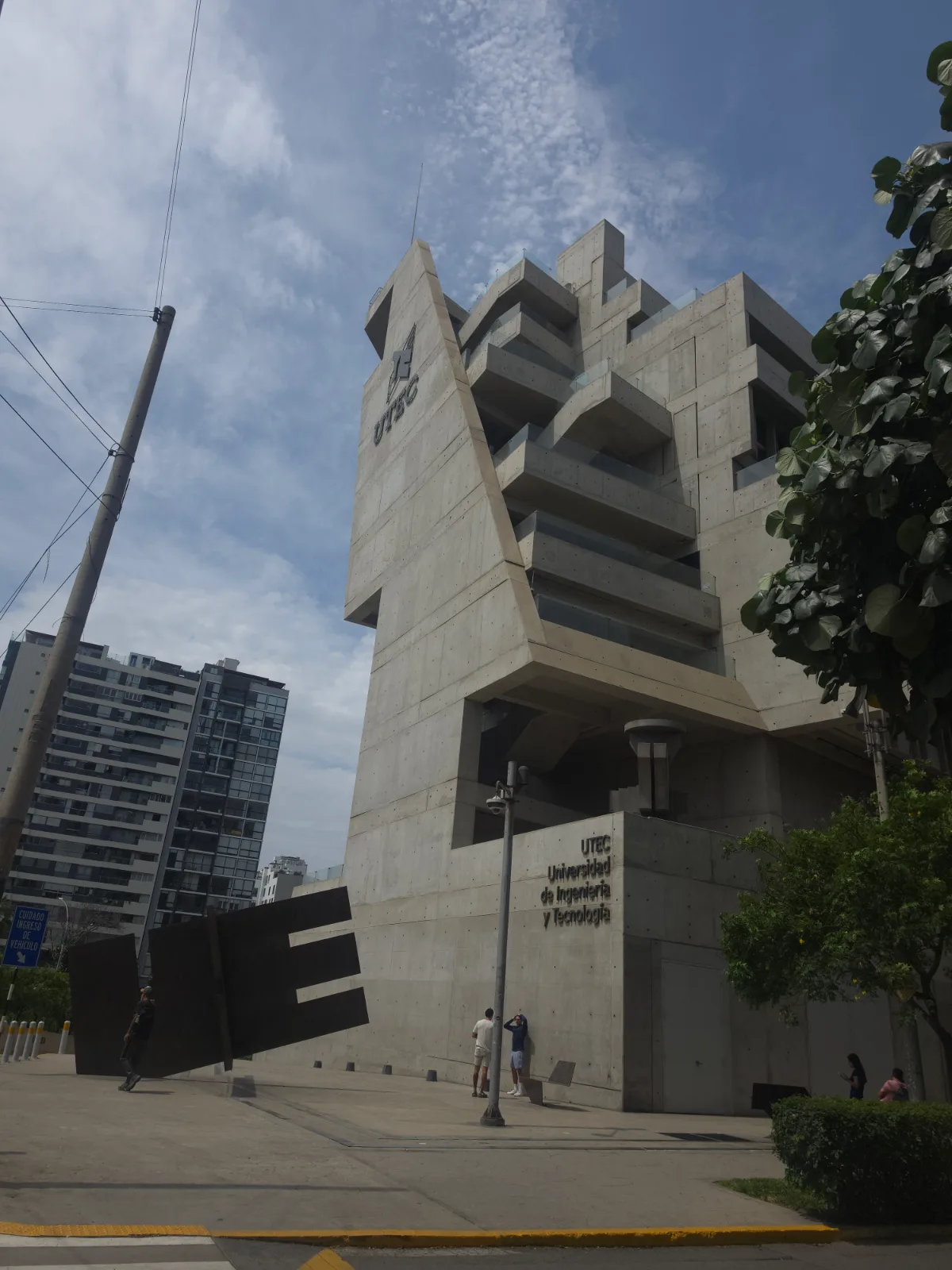
Pachacamac’s story began long before Inca rule.
South of central Lima, the sanctuary and its museum reveal a coastal history shaped by several cultures.
Read fact →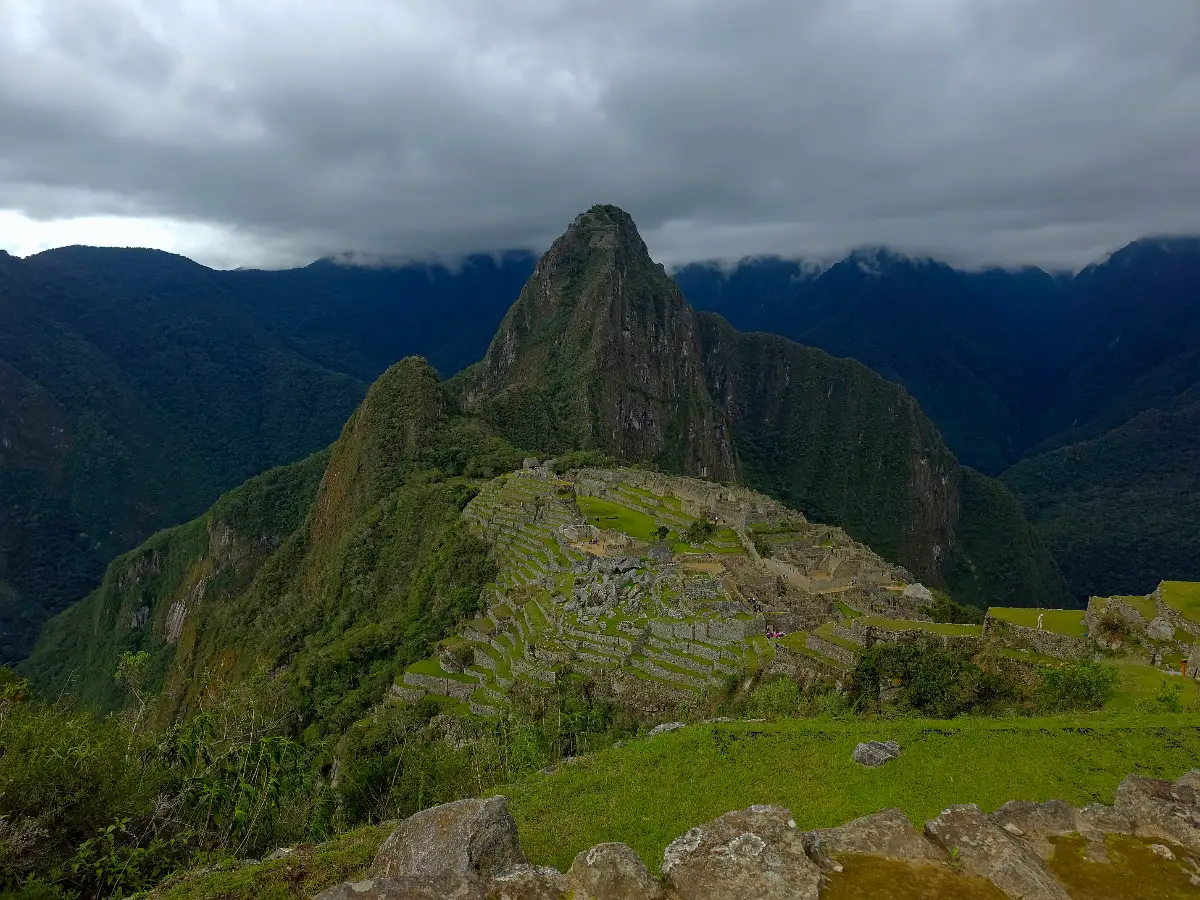
Today’s Inti Raymi has a modern revival story.
Cusco’s June celebration draws on Inca history, while its contemporary staged form began in 1944.
Read fact →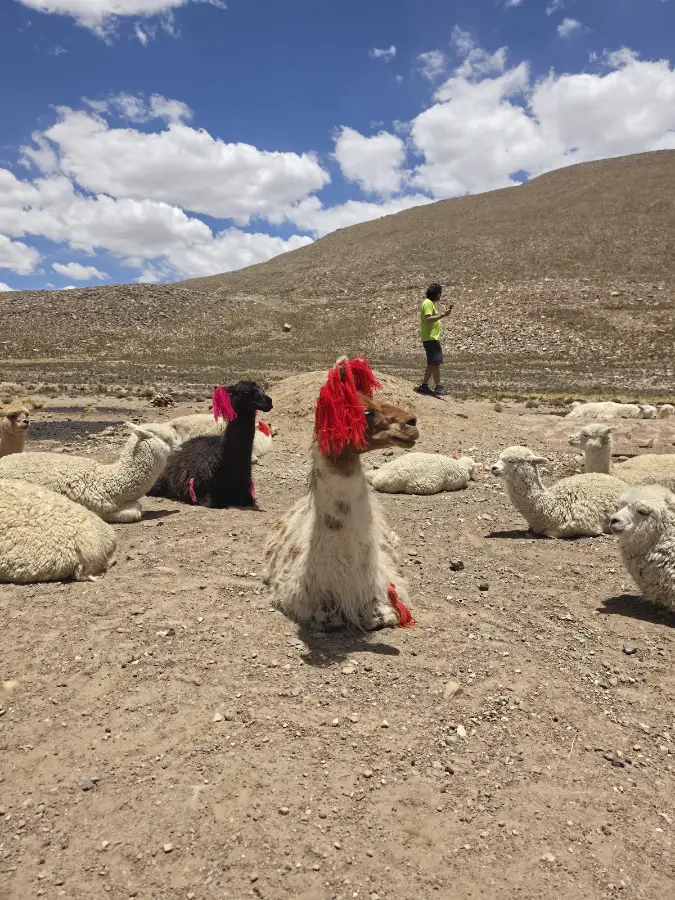
Not Every Fluffy Andean Animal Is an Alpaca!
Llamas and alpacas are domesticated; vicuñas and guanacos are their wild South American camelid relatives.
Read fact →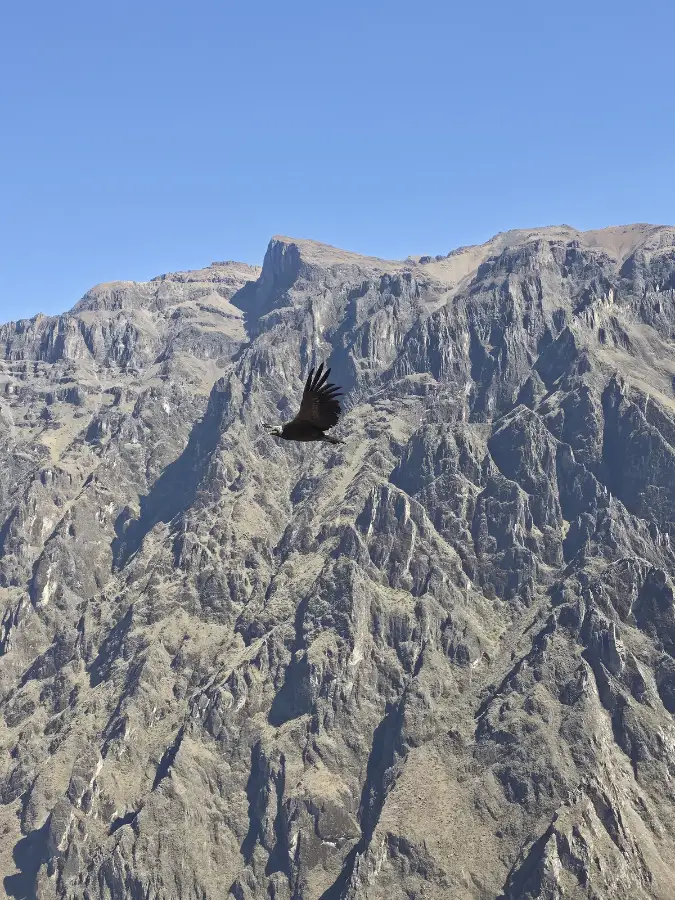
A Bird With a 3-Metre Wingspan?
An Andean condor’s wingspan can reach around three metres. Colca Canyon offers a chance to watch these birds in the wild.
Read fact →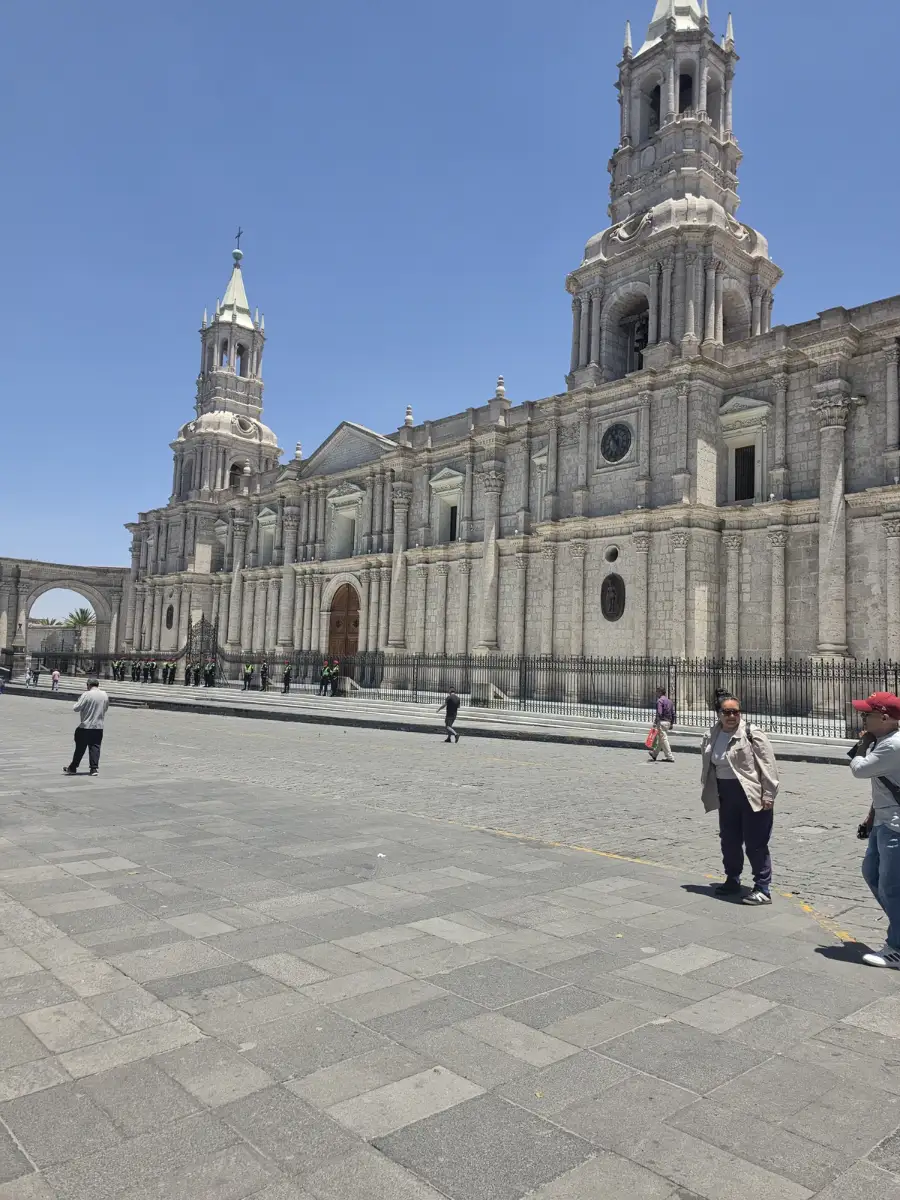
A City Built From Volcanoes?
Volcanic sillar shapes Arequipa’s historic centre, recognised by UNESCO in 2000.
Read fact →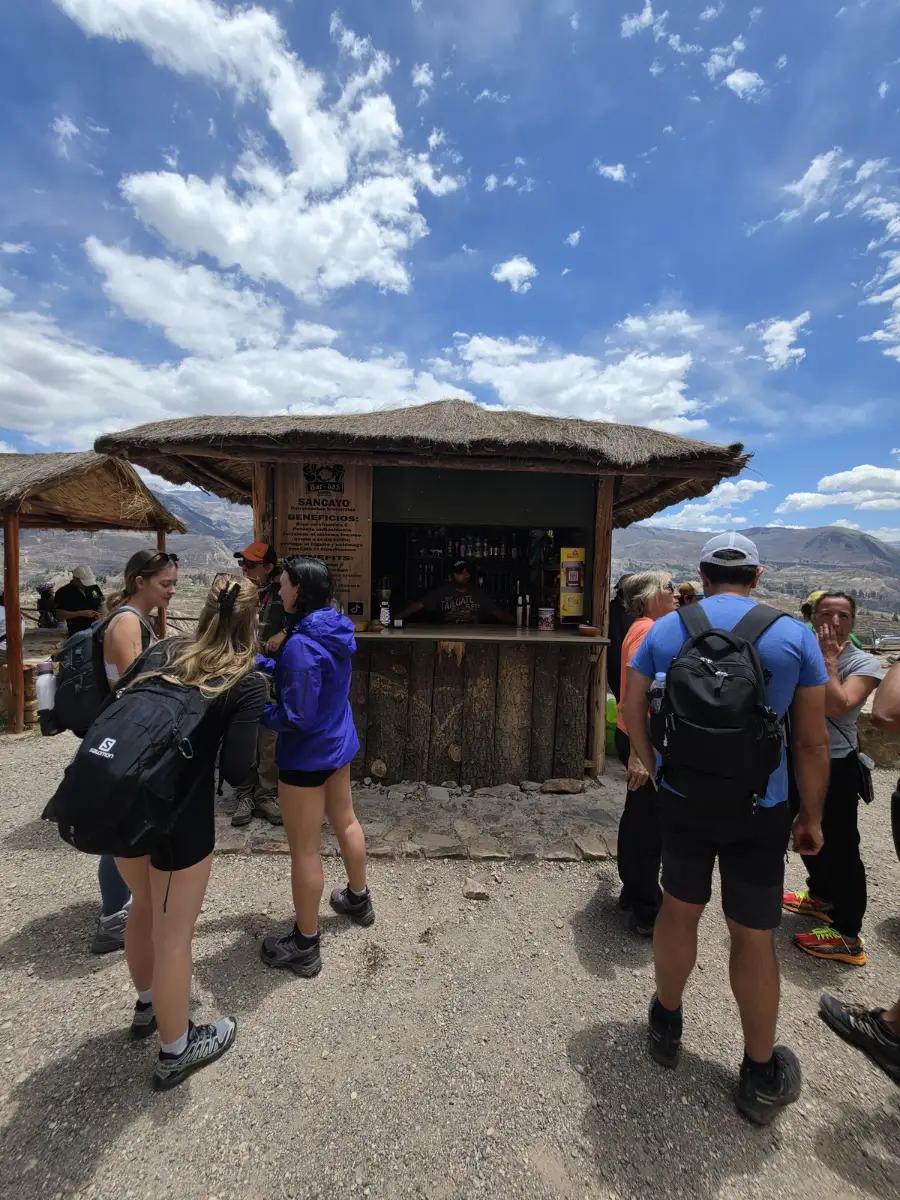
A Cocktail Made From a Cactus?
Colca Sour replaces the usual lime with sancayo, a tart Andean cactus fruit.
Read fact →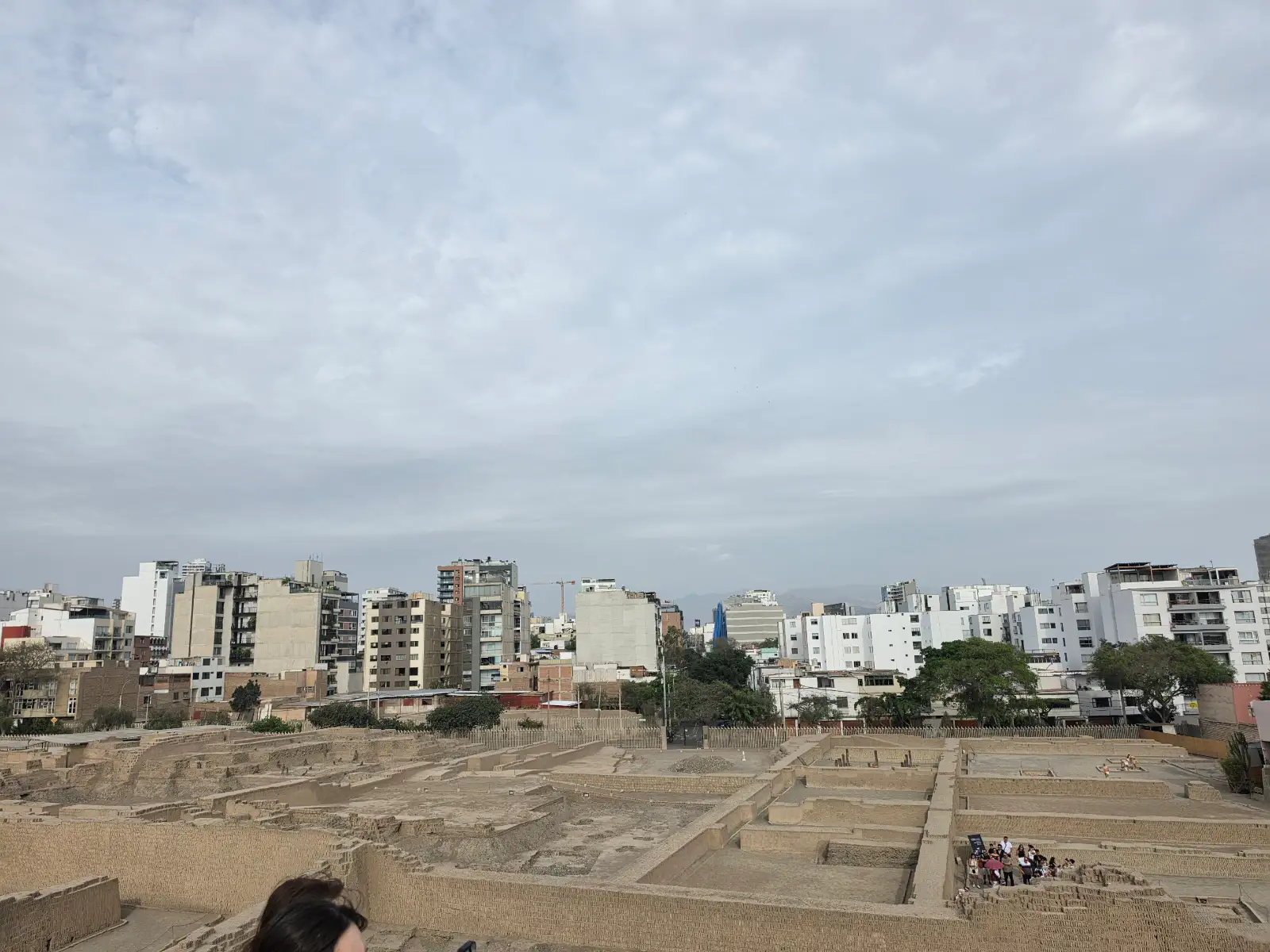
San Marcos was founded in Lima in 1551.
One date opens a window onto Lima’s long university history, from the colonial period to the present.
Read fact →Qorikancha and Santo Domingo occupy the same site.
Cusco’s former Temple of the Sun and the later Dominican complex make different periods of the city visible together.
Read fact →Coastal fog helps Lima’s hills turn green.
Lima’s lomas are seasonal ecosystems sustained by moisture from the sea, offering a different view of the coastal landscape.
Read fact →Sacsayhuamán’s huge stones fit without cement.
Above Cusco, carefully shaped stone blocks show the precision and planning of Inca construction.
Read fact →Ceviche’s heritage is about people as well as food.
UNESCO’s 2023 recognition celebrates the knowledge, traditions and communities around preparing and sharing Peruvian ceviche.
Read fact →Cusco’s Inca city is still part of its streets.
In Cusco, surviving Inca walls and street patterns sit within a city that continued to change after the Spanish conquest.
Read fact →Lima’s balconies tell a story about adaptation.
The historic centre’s enclosed balconies are one detail in a city shaped by local craftsmanship, materials and earthquakes.
Read fact →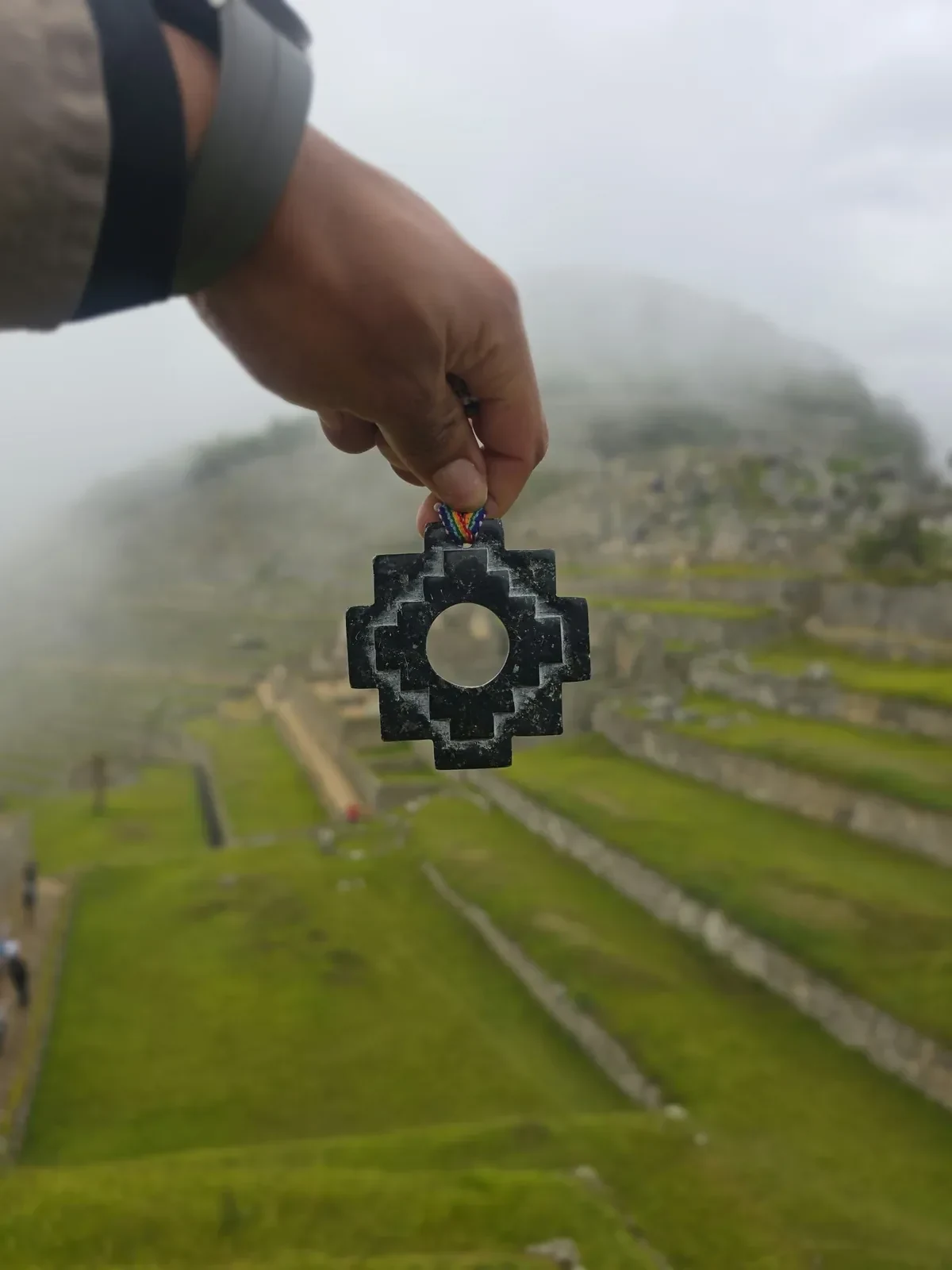
The chakana: the Andean cross at Machu Picchu.
A small pendant with a much bigger story: the chakana’s stepped shape, Andean connections and meanings that reach beyond the Inca Empire.
Read fact →The Inca Trail was part of a much bigger network.
Cusco stood at the heart of the Qhapaq Ñan, an Andean road system stretching for tens of thousands of kilometres.
Read fact →Miraflores has a pyramid older than the Inca Empire.
Huaca Pucllana places a much older chapter of Lima right among the streets of modern Miraflores.
Read fact →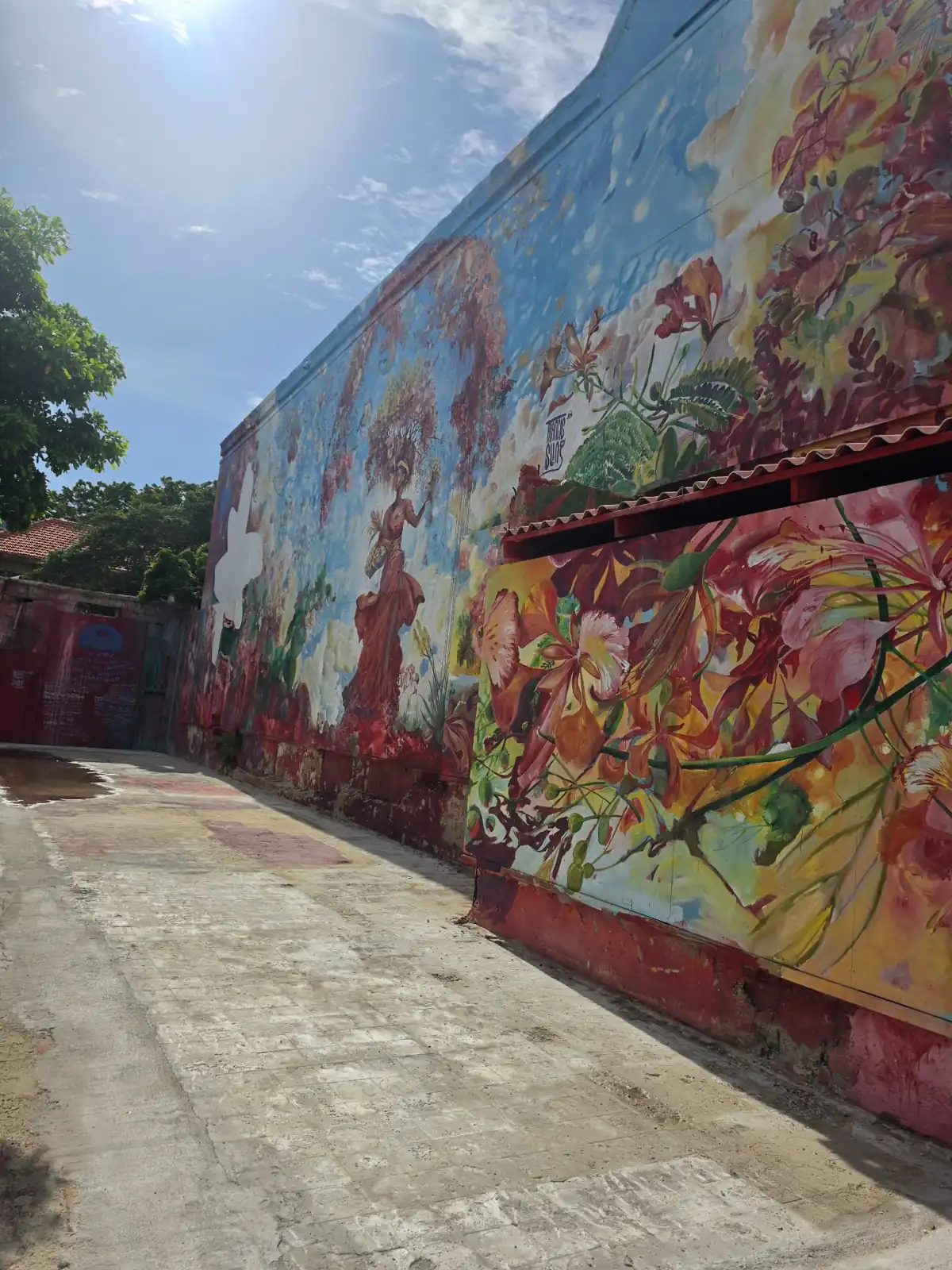
Papiamentu is part of Curaçao’s everyday life.
Curaçao’s most widely used local language reflects a history of connections across the Caribbean and beyond.
Read fact →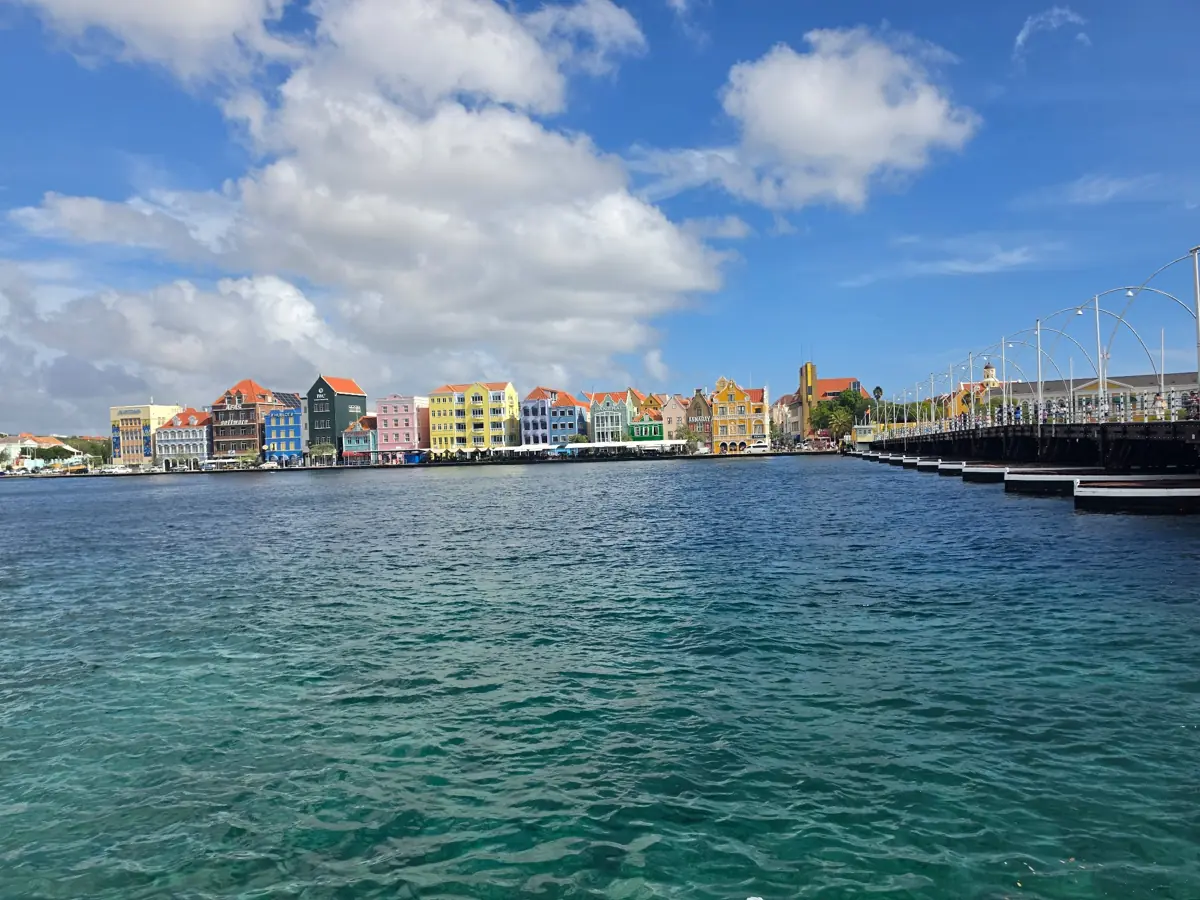
Willemstad’s heritage goes beyond its waterfront.
UNESCO’s World Heritage site includes the historic inner city and harbour, not just the familiar colourful façades.
Read fact →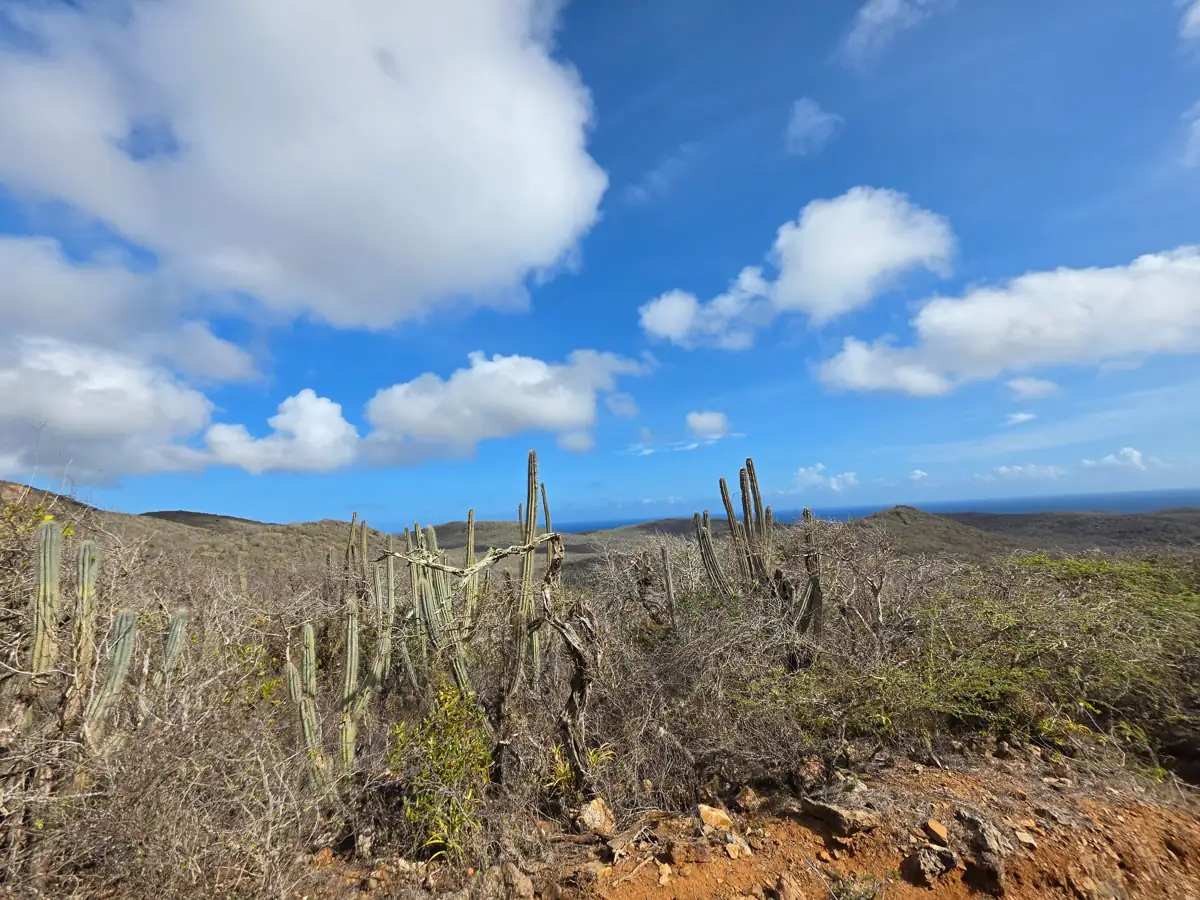
Curaçao’s highest peak is 372 metres.
Christoffel Mountain is 372 metres high. In the Caribbean heat, that climb felt bigger than the number suggests.
Read fact →
Curaçao has a new currency.
The Caribbean guilder arrived in March 2025. A small detail to know before your next island visit.
Read fact →