
Opening
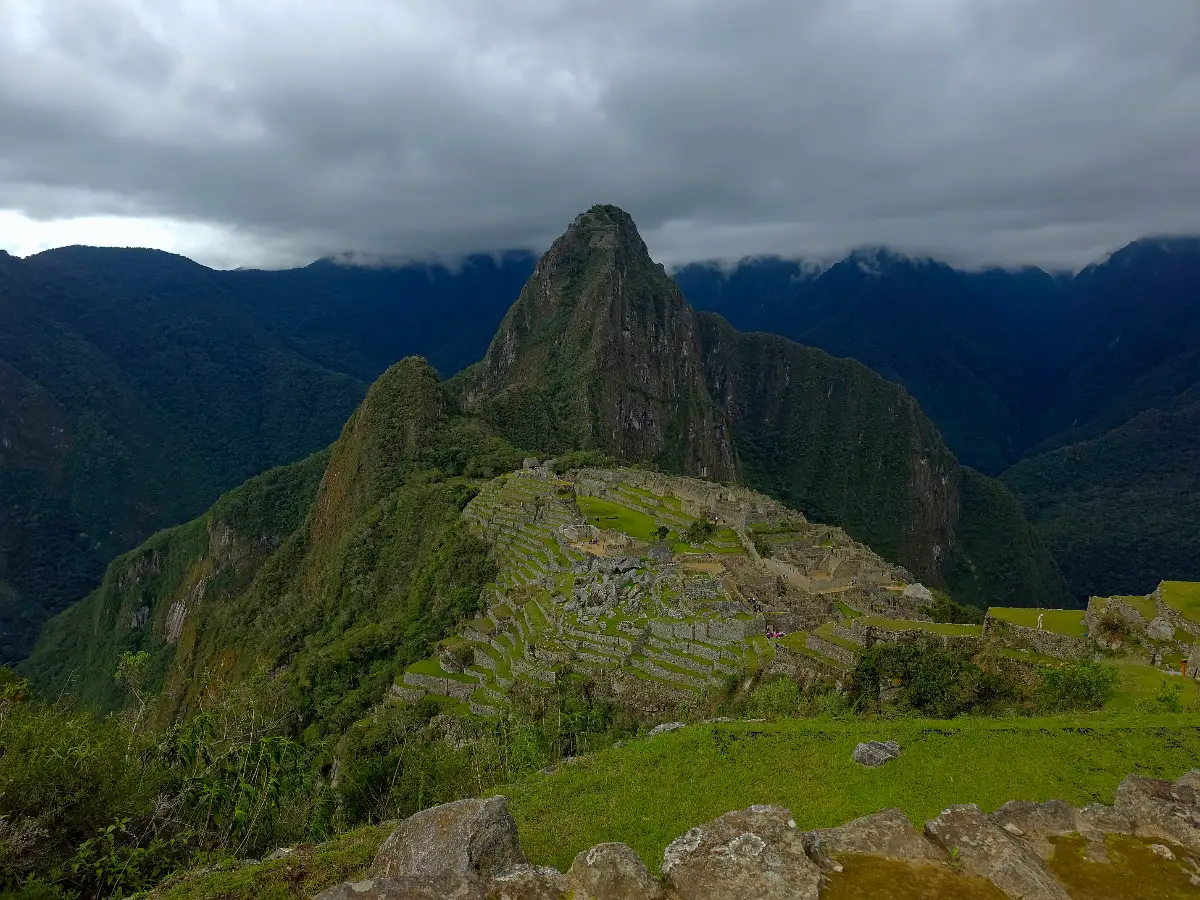
The famous walk towards Machu Picchu is only one small window into a much larger idea. The Qhapaq Ñan connected communities, administrative centres and sacred places across the Andes. UNESCO describes a network covering more than 30,000 kilometres.
Four directions from Cusco
The system’s four principal routes originated from Cusco, the capital of Tawantinsuyu. The Incas expanded infrastructure that also incorporated earlier Andean roads. Paths, bridges, accommodation and storage facilities worked together to move people, supplies and information through very different landscapes.
More than a trekking route
That changes the meaning of a stone stairway. It belonged to a working system, used by messengers, caravans and communities, rather than a trail designed for modern hikers. The World Heritage listing recognises selected parts of that wider network; it does not mean every surviving path has the same designation.
For a personal view of walking in this landscape, read my Inca Trail Field Note.