
Opening
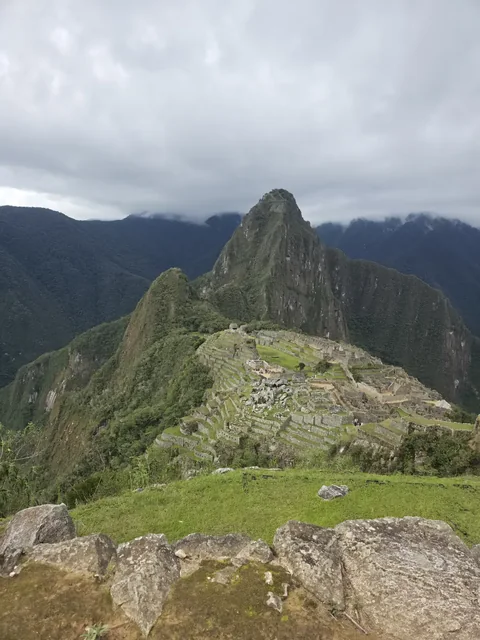
After hiking to Machu Picchu, you would probably expect us to take a day off, put our feet up and give our legs some well-earned rest. Well… apparently, that wasn't part of our plan.
We still had a few days in Cusco, and they turned into a mixture of quad bikes, mountain lakes, enormous Inca walls and little corners of the city I would probably have walked straight past on my own. Machu Picchu had been the big adventure, but Cusco clearly wasn't finished with us yet.
13 November: back on the road, this time on four wheels
The day after returning from Machu Picchu, our next tour was already booked for 1 PM. What exactly could we expect? Honestly, I had no idea.
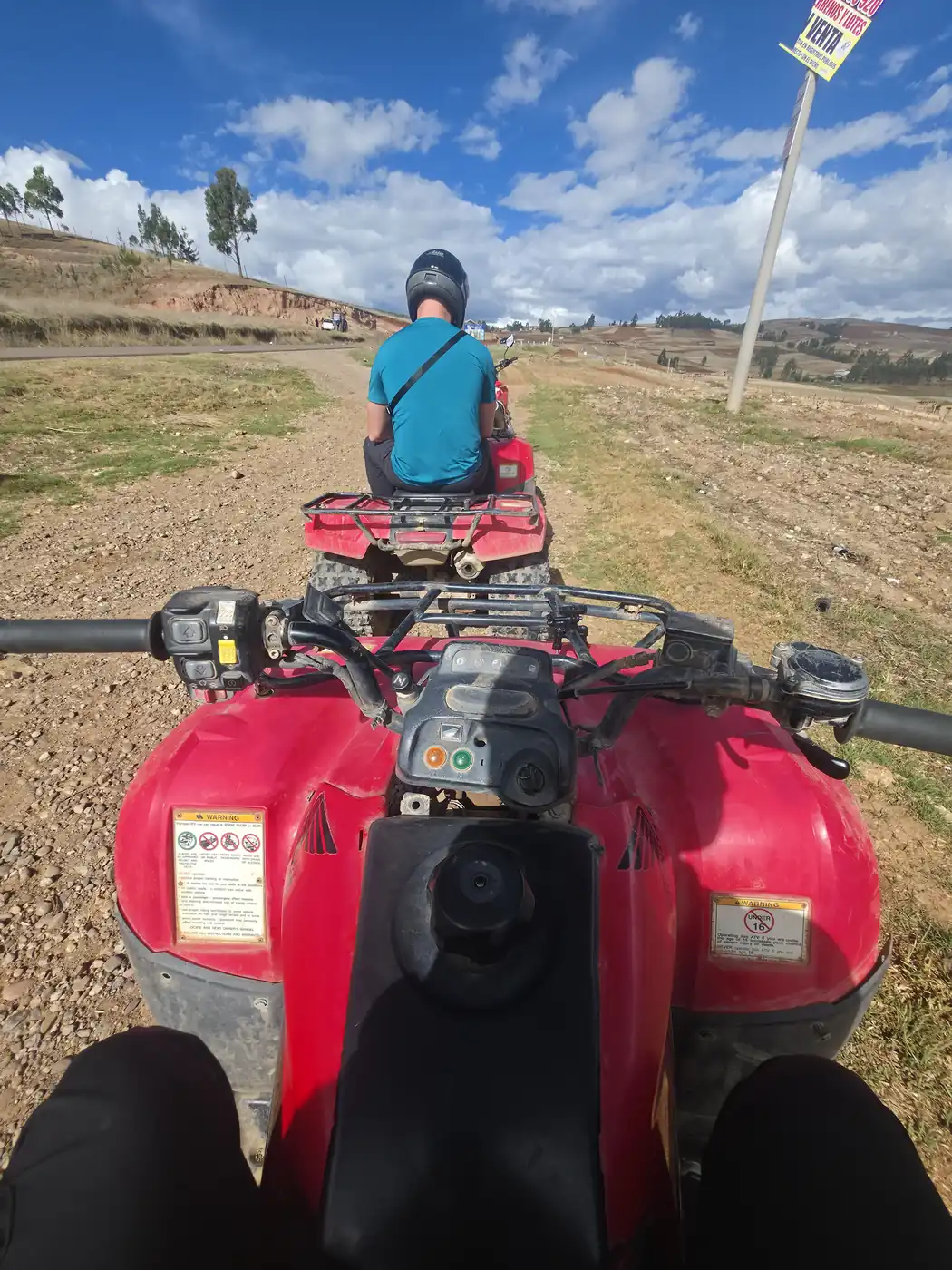
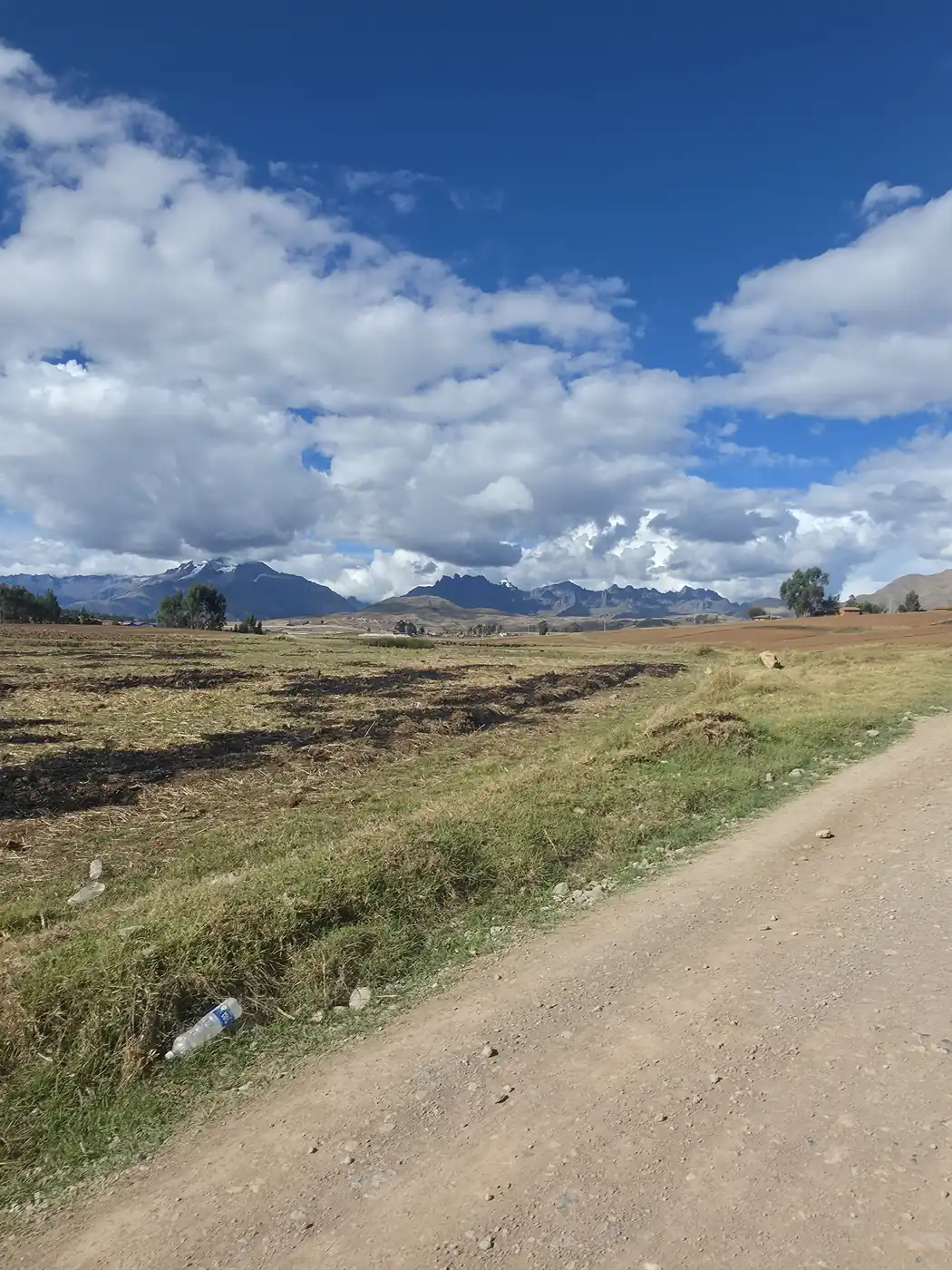
We drove about an hour out of Cusco before swapping the bus for quad bikes. Then we spent roughly an hour and a half riding through the countryside, passing fields, small villages and mountain views that kept making me want to stop for another photograph.
There was something quite funny about going from all that walking to sitting on an ATV. Still active, still exploring, just giving our legs a different job for the afternoon. Our route took us to Laguna de Huaypo and Laguna de Piuray, in the Andean countryside around Chinchero. Away from Cusco's busy streets, everything suddenly felt much more open: farmland, big skies and mountains all around us.
Piuray is more than a pretty stop on a tour, too. Peru's official tourism inventory explains that the lake helps supply drinking water to Cusco. I liked knowing that this landscape was connected to everyday life in the city we'd just left behind.
Flamingos? In the Andes?
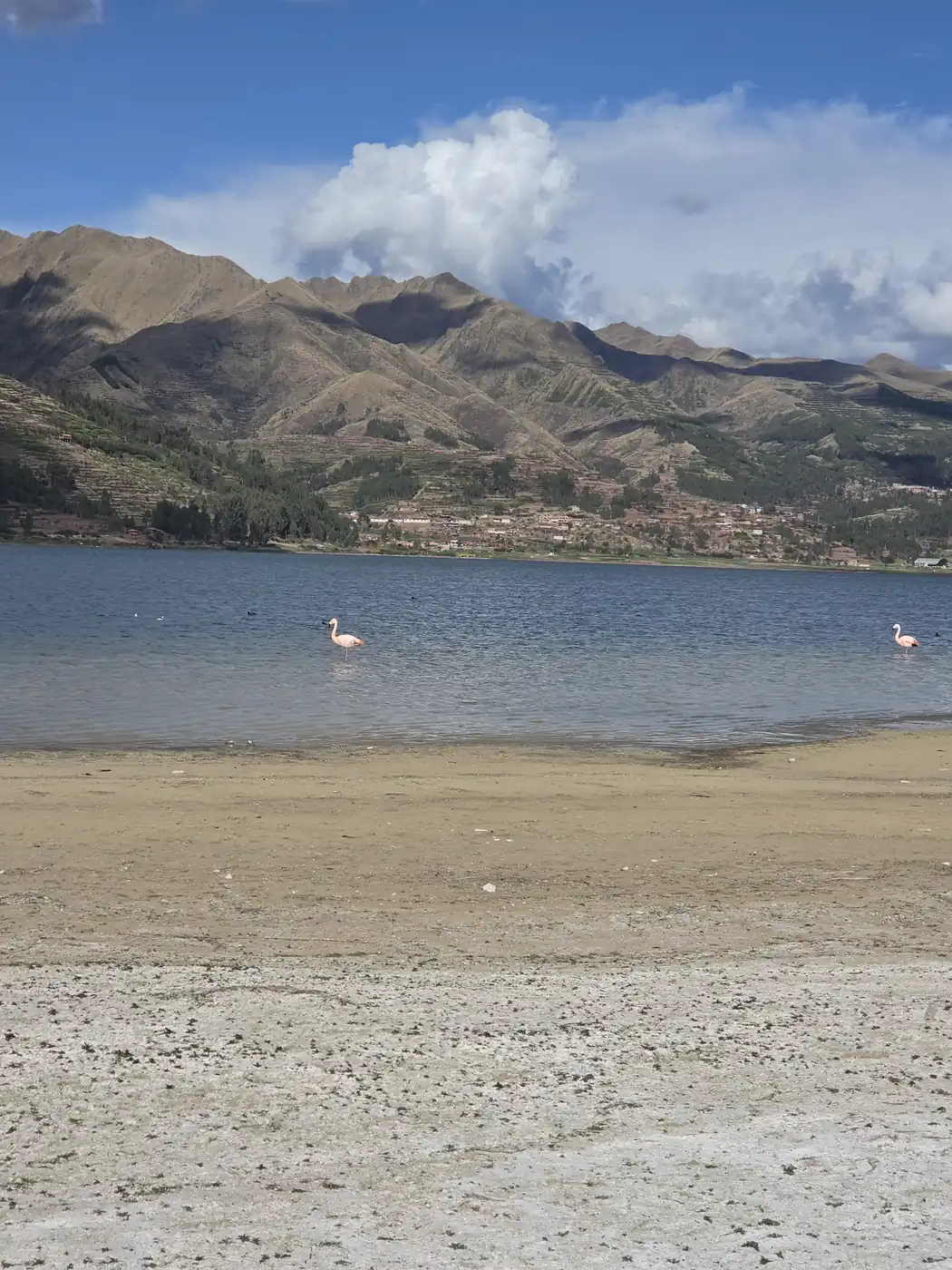
The biggest surprise of the afternoon came at Piuray.
We spotted flamingos.
That definitely wasn't on my list of things I expected to see while quad biking outside Cusco. Yet there they were, out on the water with the mountains behind them. I don't have a dramatic explanation for that moment. I was simply surprised, and very happy we'd come. Peru keeps doing this: just when I think I know what the next day will look like, it gives me something completely different.
Ending the afternoon at Salineras de Maras
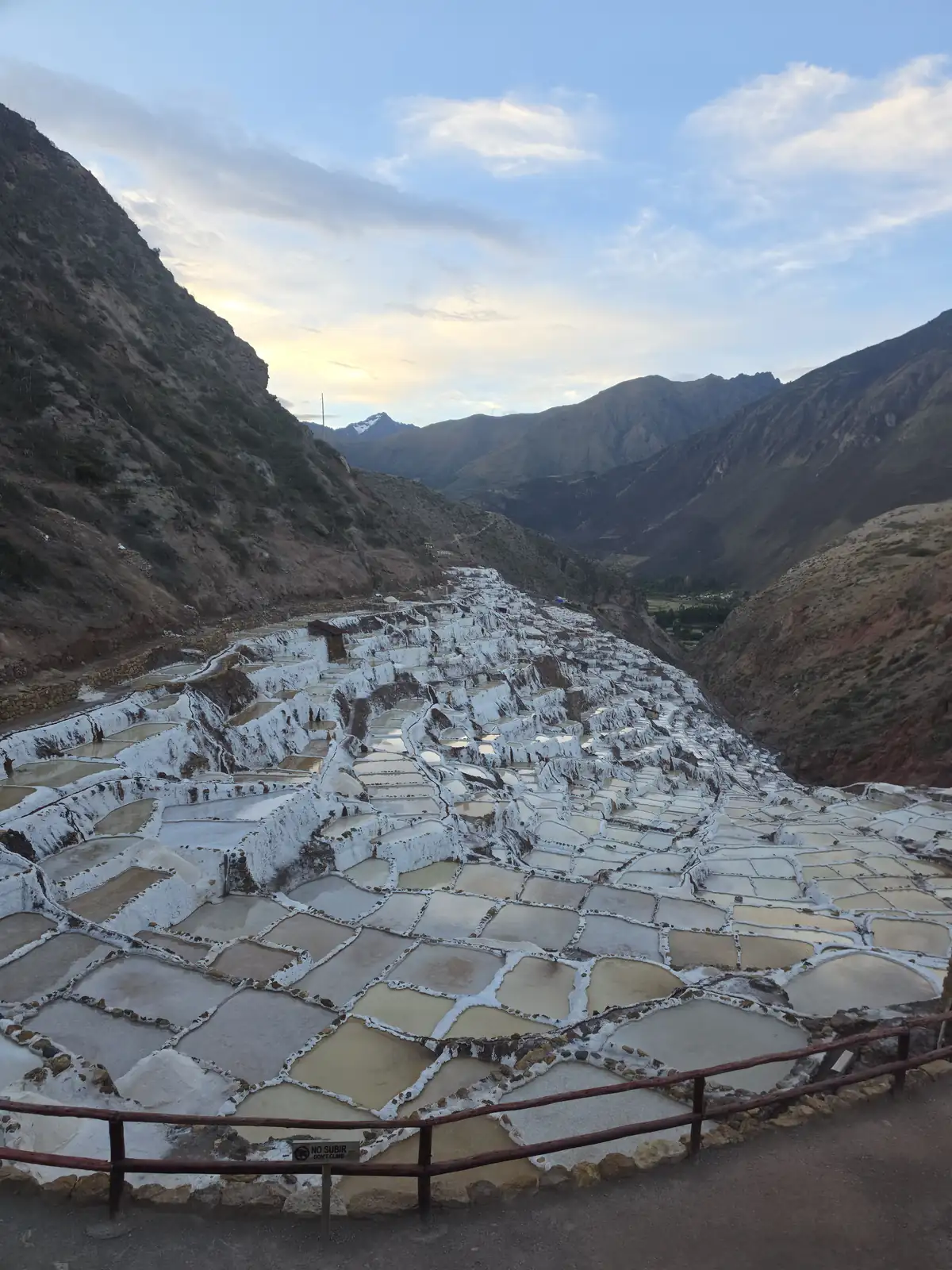
After the quad bikes, we continued to the Salineras de Maras, the salt terraces tucked into the mountainside. From above, the pools looked like a huge patchwork of white, beige and brown, stepping down into the valley. After the lakes and open countryside, it was another completely different landscape in the space of one afternoon.
Salt has been extracted here since before the Inca period. Salty spring water is channelled into the shallow pools, where evaporation leaves salt behind. That little bit of background makes the view even more interesting: these aren't decorative terraces, but a working salt-producing landscape.
We enjoyed the view from the lookout as the day drew towards evening. Not a bad way to finish a tour I'd started without really knowing what we were going to do.
14 November: the Cusco I would have missed
The next day, I went out with someone I'd met in Cusco. She took me to places I probably wouldn't have found by myself, and it became one of those days where simply walking around was enough.
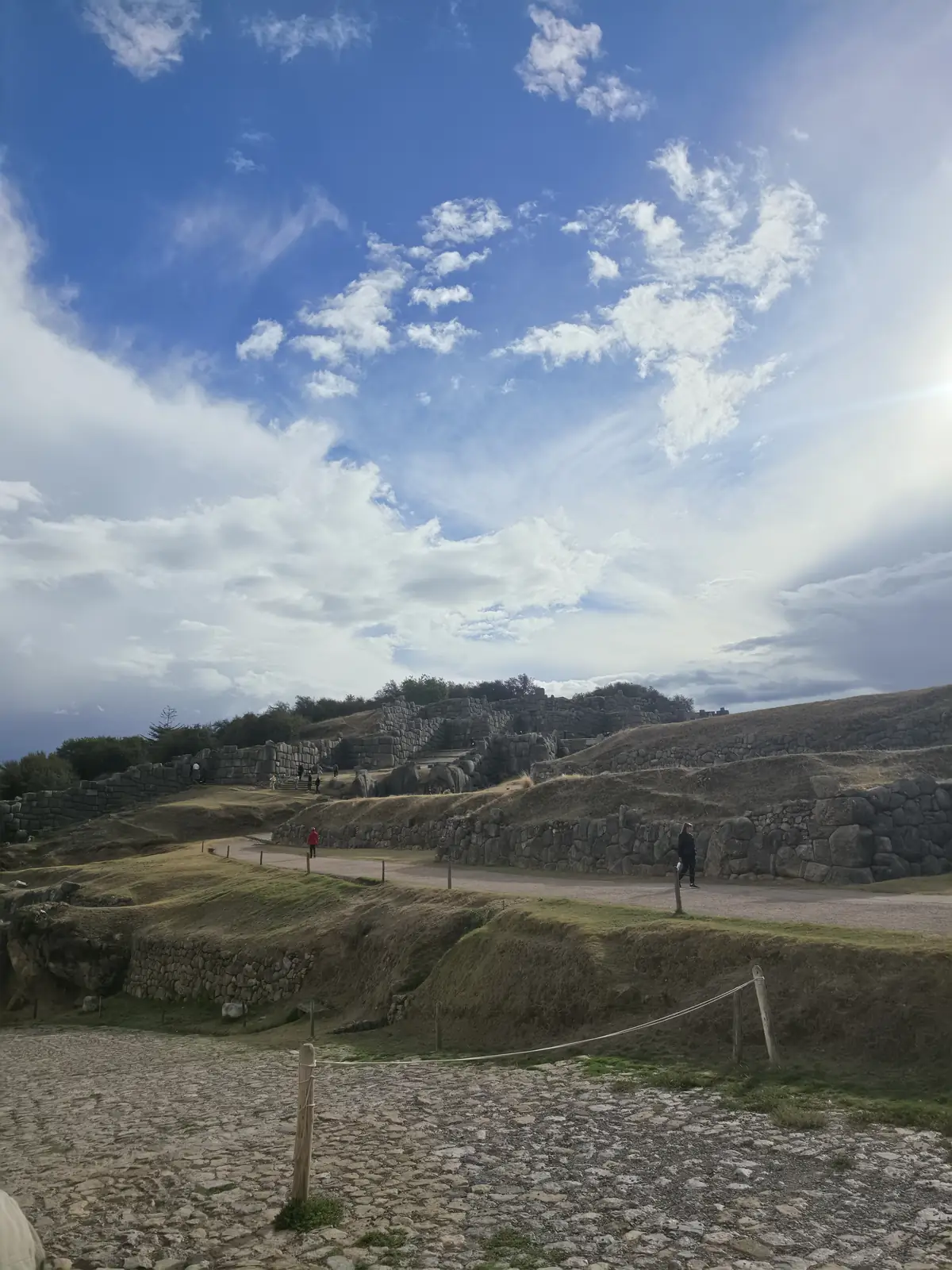
We started around Saqsaywaman, also often written Sacsayhuamán, high above the city. Even before going back for a fuller tour later in my stay, I could see why people make the climb up here. There are the archaeological remains, of course, but also those views across Cusco and the surrounding hills.
It was a lovely change of pace after an organised tour: no quad bike to keep up with, no fixed sequence of stops, just time to look around.
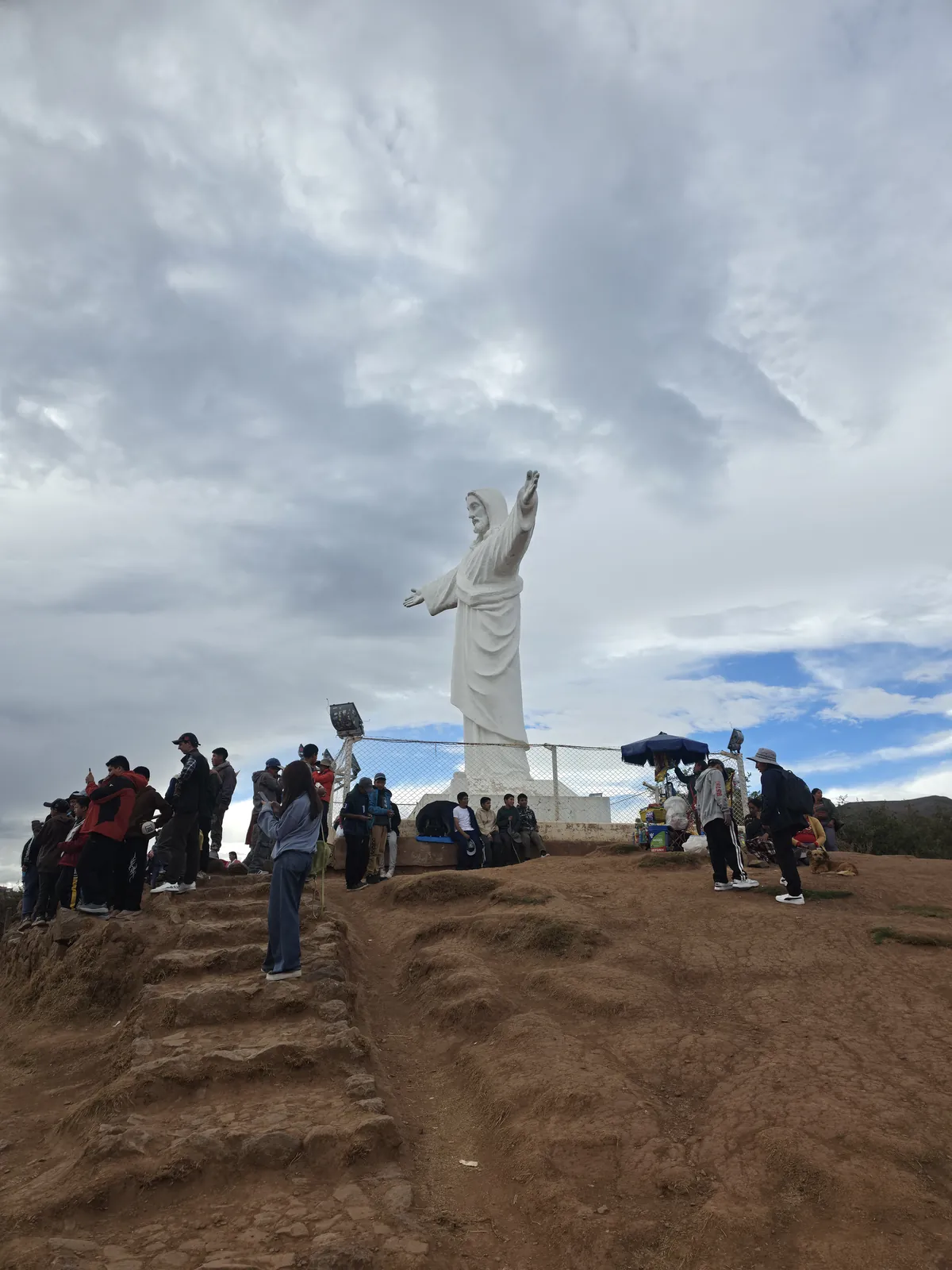
Cristo Blanco above the rooftops
From there, we continued towards Pukamoqo Hill and Cristo Blanco, the white statue of Christ overlooking Cusco.
Standing up there, with red rooftops spreading across the valley below, you get a completely different sense of the city. Down in the streets, you notice individual buildings, shops and little turns in the road. From above, you see how it all fits into the mountains.
I kept looking out over the same view. Some places make it very easy to take far too many photographs.
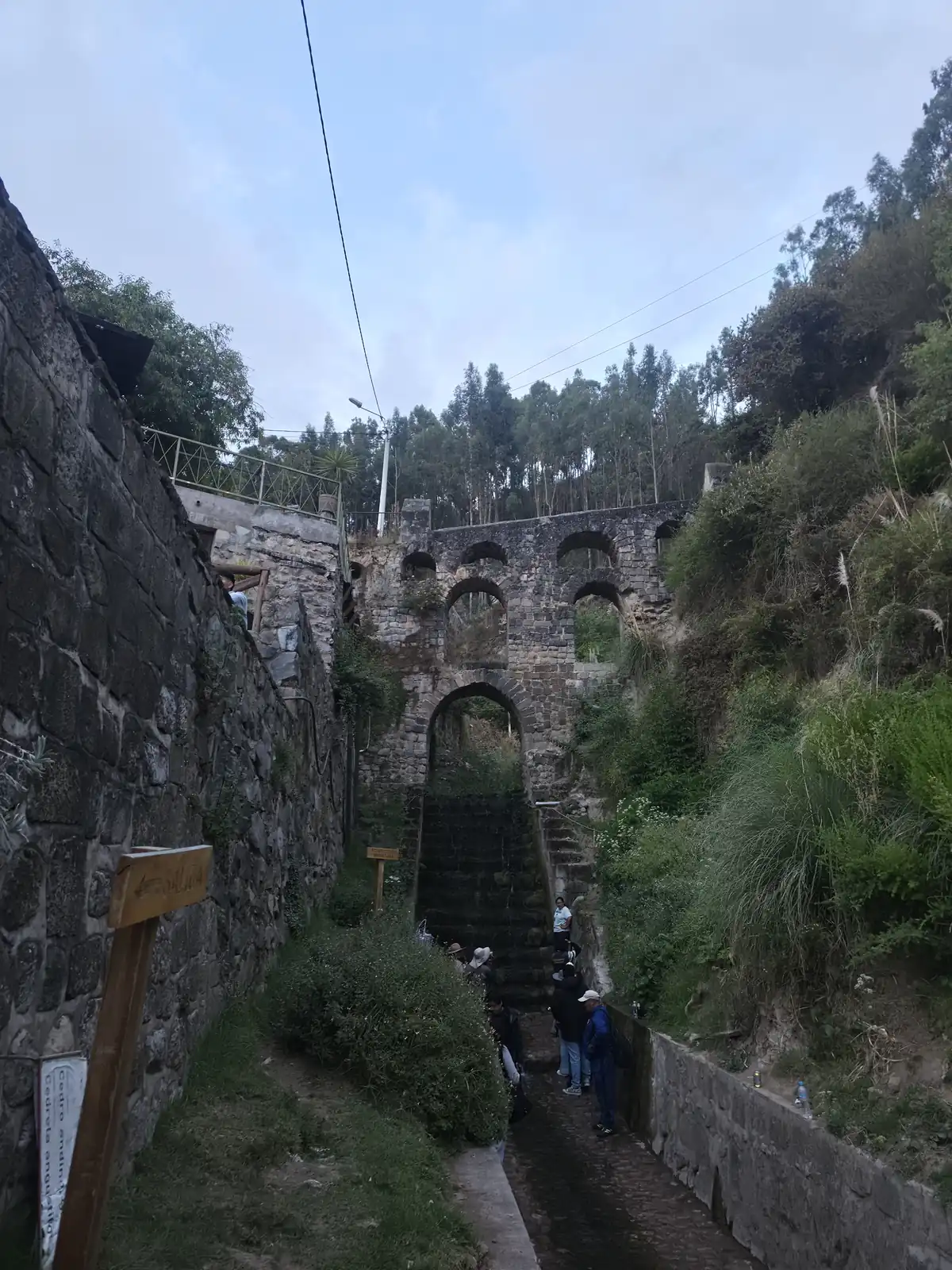
Back down through Sapantiana
We slowly made our way back towards the centre via the Acueducto de Sapantiana.
Its stone arches sit in a narrow, green ravine in the San Cristóbal neighbourhood. The official tourism inventory dates this colonial aqueduct to the middle of the seventeenth century. It's a different kind of history from the Inca sites above the city, and a beautiful little stop on the walk down.
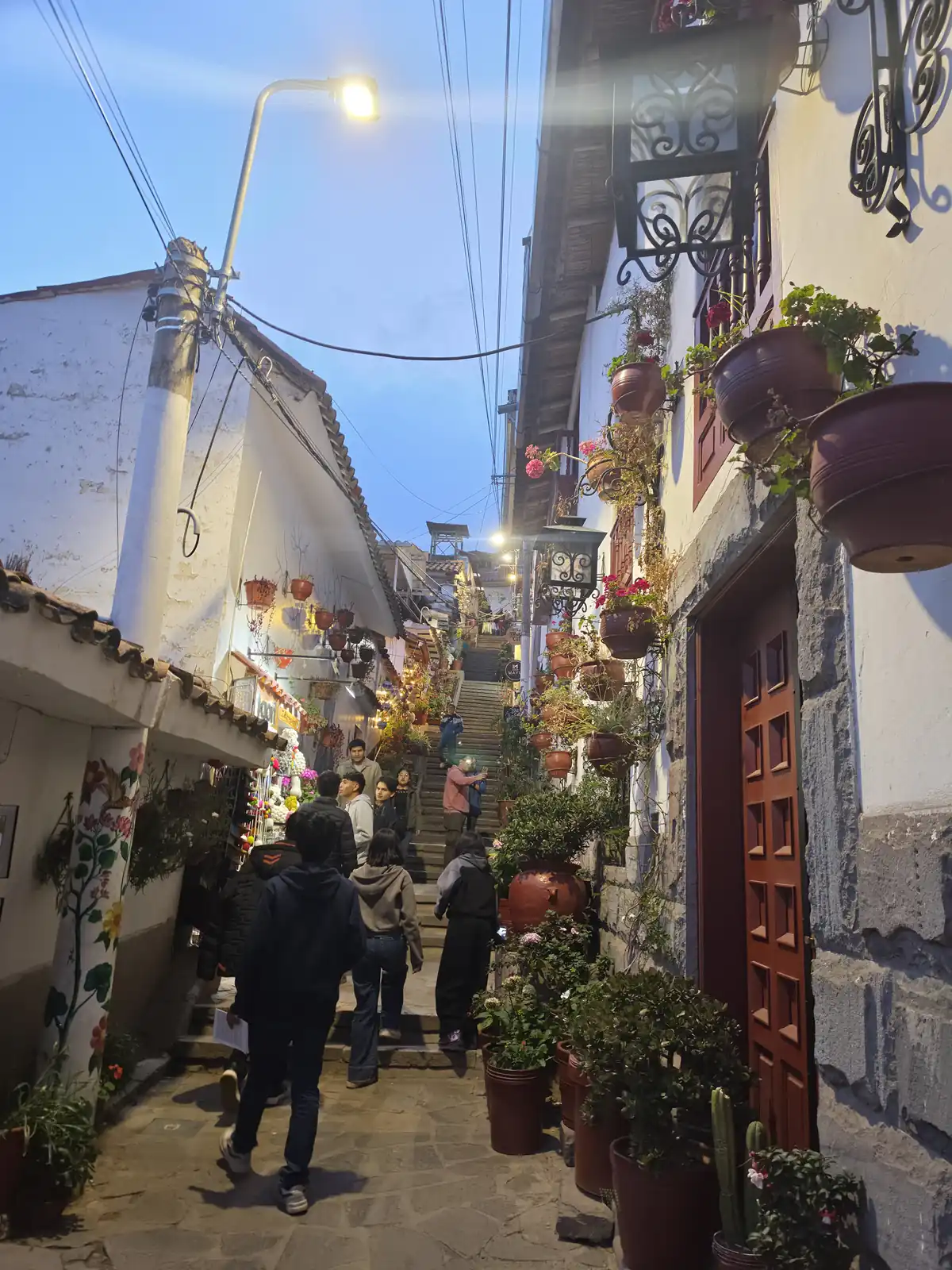
Nearby, we wandered through the flower-filled lanes around Calle Siete Borreguitos. Pots, flowers, steps and people making their way through the narrow streets: small details compared with Machu Picchu, perhaps, but exactly the sort of thing I enjoy finding when I have time to wander.
Nothing felt rushed. That was probably what I liked most about the day.
15 November: a busy city and a colourful market
Our final weekend also happened to coincide with Pope Leo XIV's visit to Cusco on 15 November. Vatican News reported his visit to Saqsaywaman and the Plaza de Armas.
I would have liked to see him, but the crowds were too much and I didn't manage to catch a glimpse. So my memory of that day is of being in a very busy Cusco while something unusual was happening, rather than seeing the Pope himself. Certainly not something I'd expected when planning these last few days.
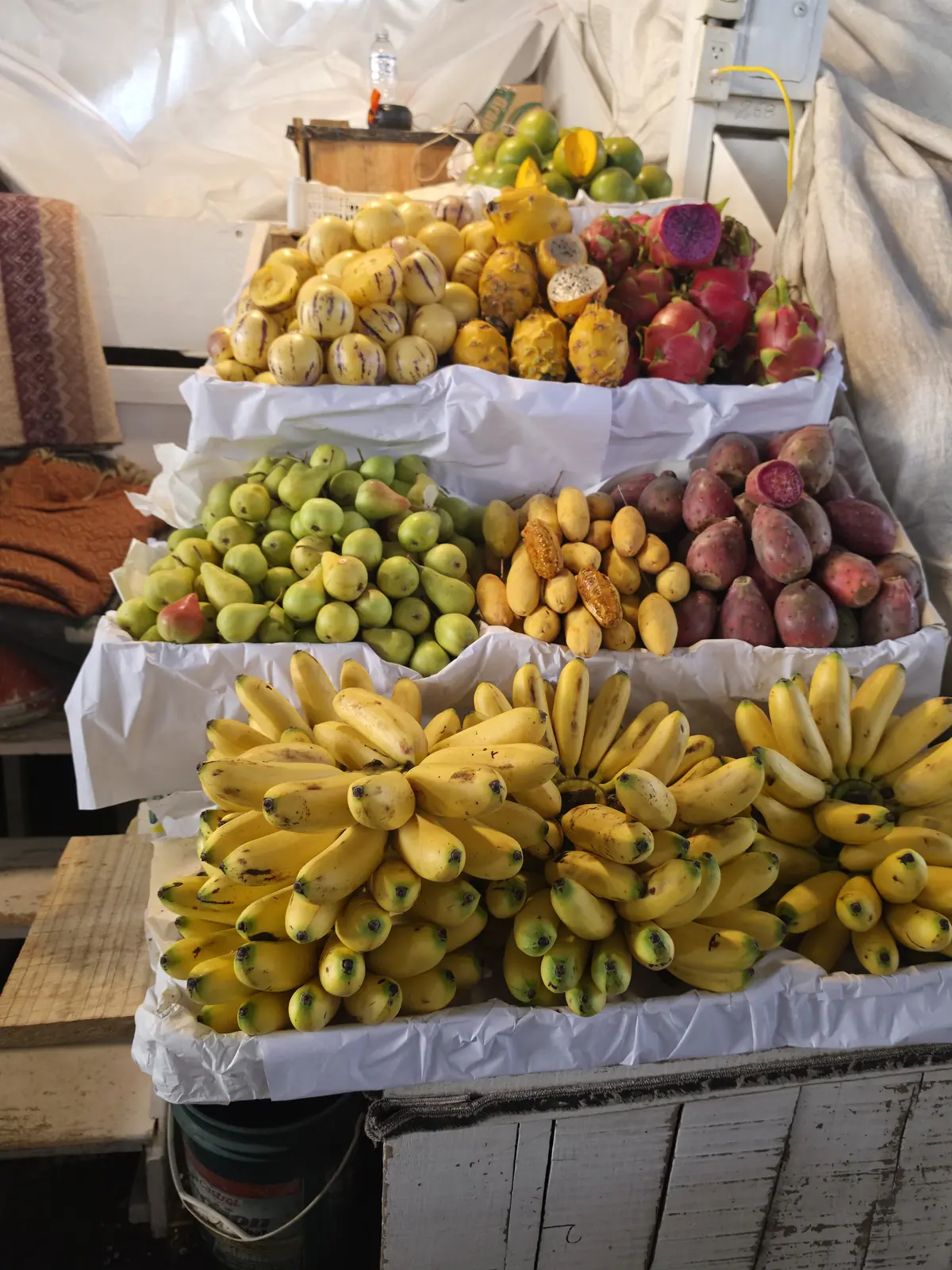
There was still plenty of everyday Cusco to explore. At Mercado Central de San Pedro, I found stalls full of fruit, dried goods, souvenirs and places to eat. The piles of bananas, citrus fruit and all the different colours made it difficult to put the camera away.
The market opened in 1925, but what interested me most was what was happening there now: people shopping, eating and getting on with their day. It was a good place to slow down and look around before moving on.
One first taste I hadn't forgotten
Somewhere in these last days in Cusco, I also tried ceviche for the very first time. It was a different flavour from what I'm used to, and I wasn't quite sure what I'd think of it. But I actually liked it. I always enjoy those small food discoveries while travelling: trying something unfamiliar and realising I'd happily have it again.
16 November: one last look from Saqsaywaman
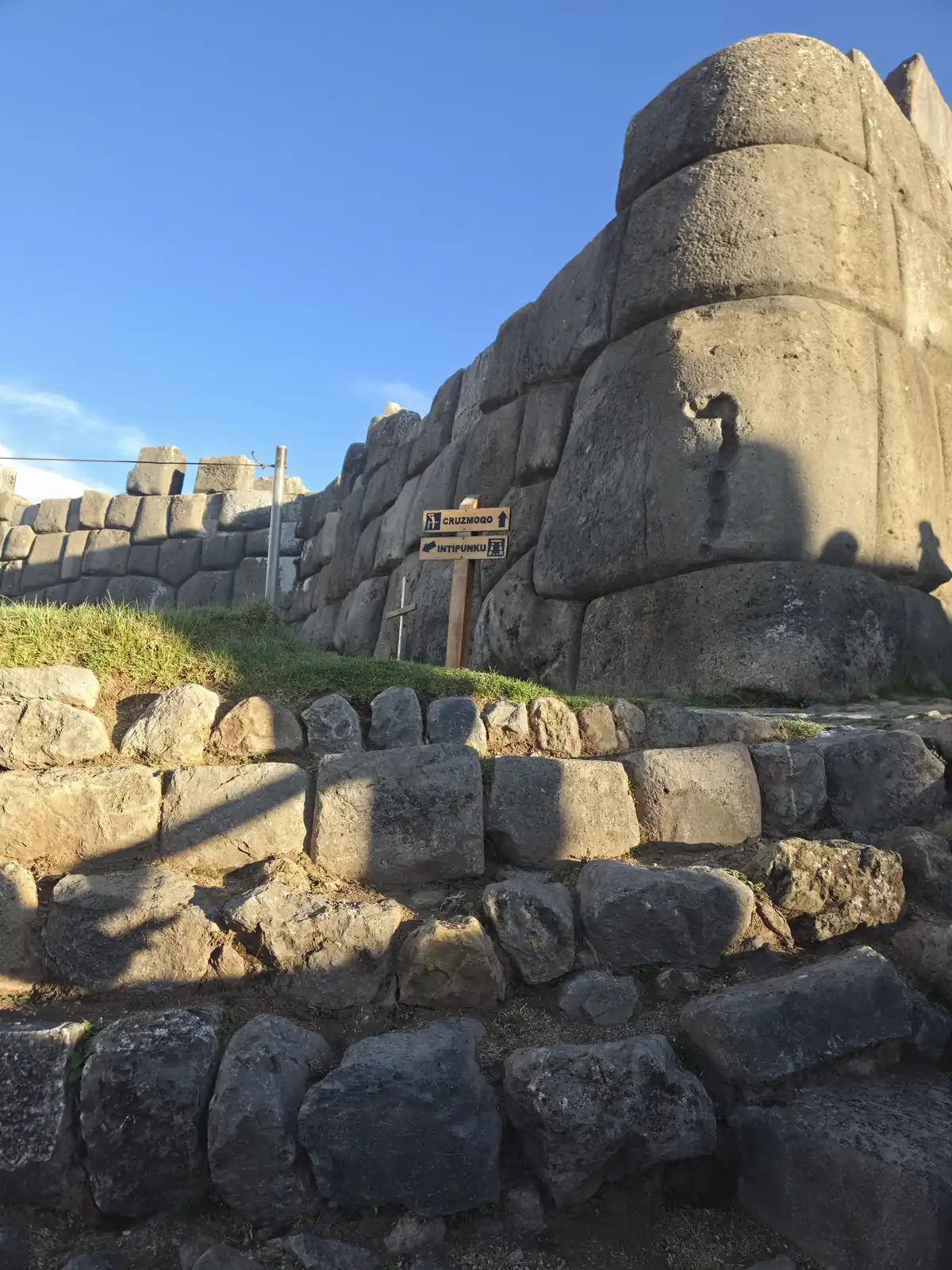
Before leaving, I returned to Saqsaywaman for a more extensive tour of the archaeological area and its viewpoints. This time, I could spend longer looking at the enormous stone walls. The blocks fit together with extraordinary precision, and standing beside them gives you a much better idea of their scale than a photograph ever can.
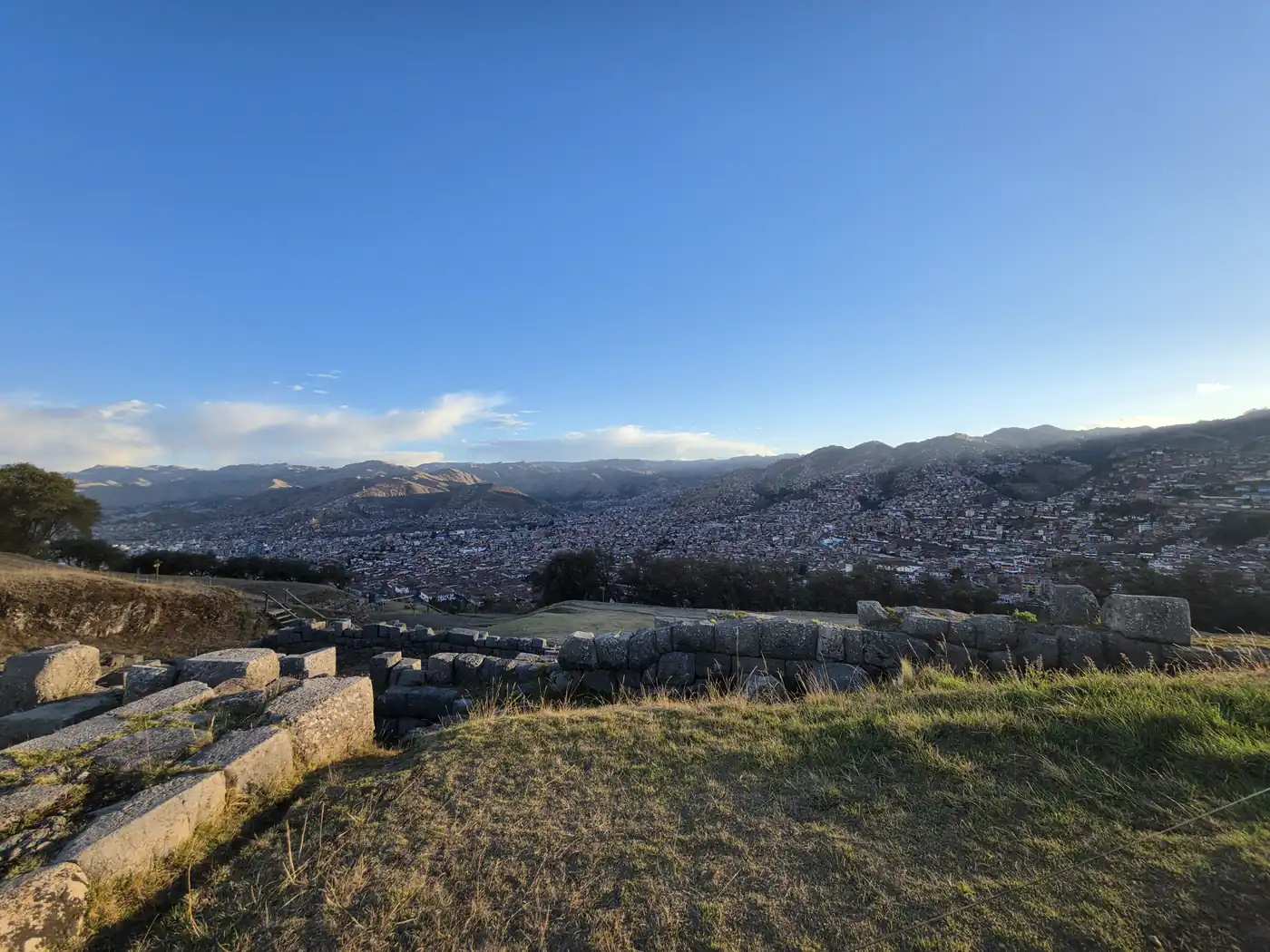
I also explored more of the viewpoints above the city. With the late-afternoon light on the stonework and Cusco stretching out below, it felt like a good place to look back on everything we'd packed into our time here.
We had come for a famous hike, but these extra days had given the city a life of its own in my memory: the quad ride, the flamingos, the walk with someone I'd just met, the market and all those little streets between the bigger sights.
Cusco after dark
And then there was Cusco in the evening.
The city has plenty to keep you busy during the day, but I also enjoyed its bars and nightlife. At the weekend, the clubs were a chance to mix with local people as well as other travellers. For younger travellers or backpackers, that combination is a big part of the appeal.
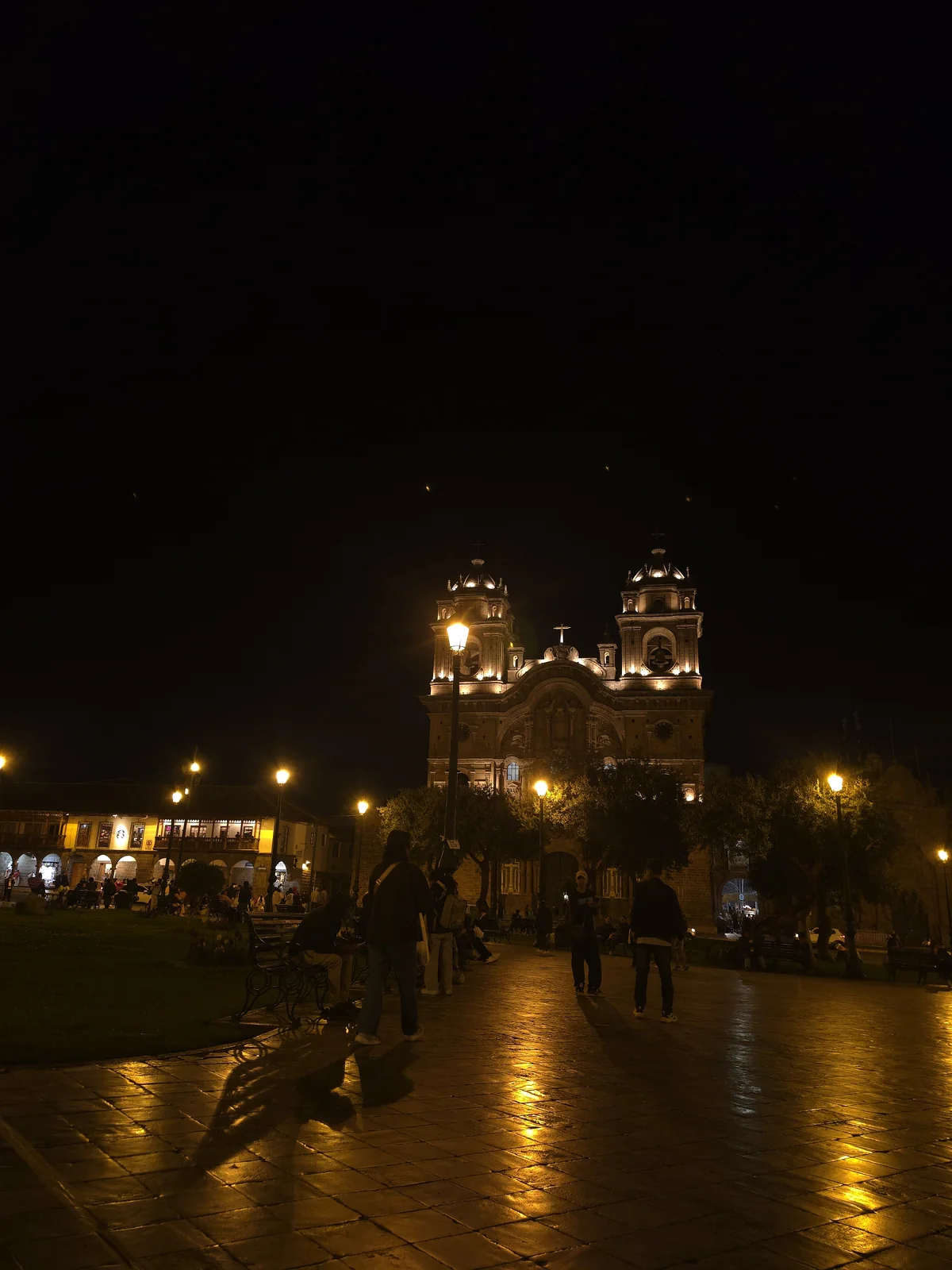
Even without going out, walking through Cusco after dark gives it another atmosphere. The buildings light up, the streets look different, and a place you've already photographed in daylight suddenly seems worth another picture. These had been full, active days, and I was glad we hadn't treated Cusco as just the place to sleep before and after Machu Picchu.
Machu Picchu might have been the main reason we came, but Cusco gave us plenty of reasons to stay.
— DainyelOnTheMove
 Through my lensCusco, through my lens.
The photographs open here, without leaving the story.